
Coronary Artery Disease
UNDERSTANDING
CORONARY ARTERY DISEASE
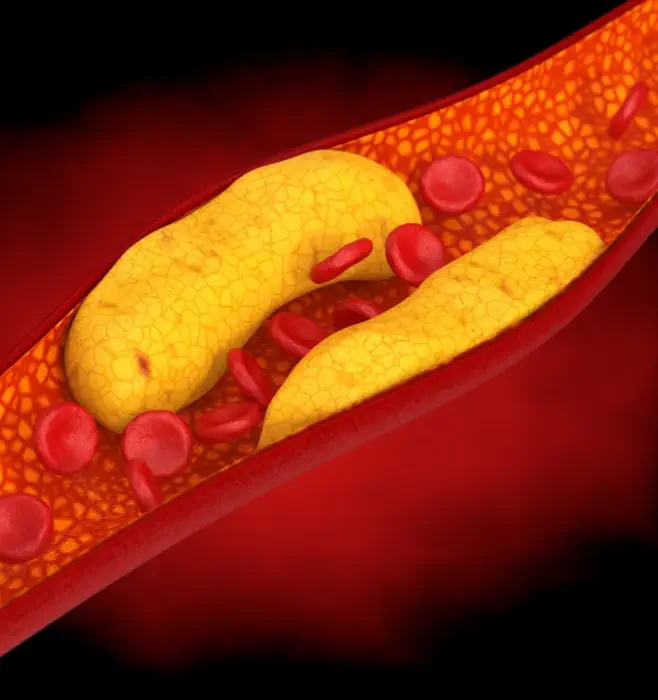
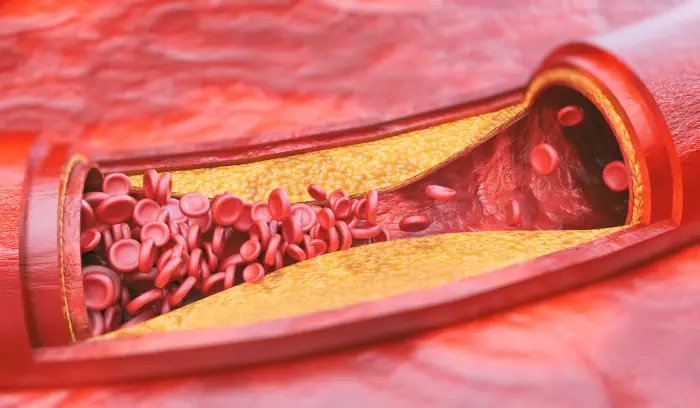
Coronary Artery Disease (CAD) occurs when the arteries that supply blood to your heart become narrowed or blocked. This narrowing is typically caused by a buildup of cholesterol and other substances, called plaque, inside the artery walls. As a result, less blood and oxygen reach the heart muscle, which can lead to chest pain (angina), shortness of breath, or even a heart attack.
SYMPTOMS
The symptoms of CAD can vary from person to person, but common signs include:
- Chest pain or discomfort, often described as pressure, squeezing, or tightness
- Shortness of breath, especially during physical activity or stress
- Pain, numbness, weakness, or coldness in your legs or arms if the arteries in those parts are narrowed
- Pain in the neck, jaw, throat, upper abdomen, or back
CAUSES &
RISK FACTORS
Coronary Artery Disease is primarily caused by atherosclerosis, a condition where plaque builds up inside the arteries. Several factors may increase your risk of developing CAD, including:
DIAGNOSING CAD
This involves a thorough evaluation of your symptoms, medical history, and may include:
SURGICAL TREATMENT OPTIONS
At Theo Kofidis Cardiac Surgery, we specialise in advanced surgical treatments for Coronary Artery Disease, offering Minimally Invasive Coronary Artery Surgery and Open Heart Coronary Artery Surgery.
(Adj) Professor Theo Kofidis tailors these procedures to address the specific needs of each patient, focusing on achieving optimal outcomes and providing comprehensive care.
MINIMALLY INVASIVE
CORONARY ARTERY
BYPASS SURGERY
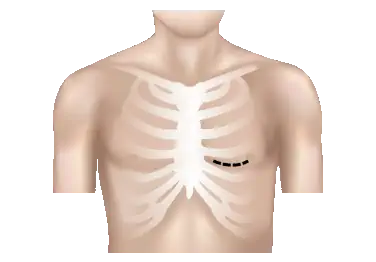
This approach involves smaller incisions, and advanced imaging techniques. It offers reduced trauma, faster recovery times, and fewer complications compared to open heart surgery.
OPEN HEART
CORONARY ARTERY
BYPASS SURGERY
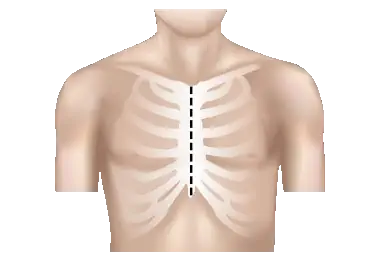
This procedure involves creating a larger incision in the chest to access the heart. It is better suited for complex and high-risk cases that preclude minimally invasive options.