
UNDERSTANDING
ATRIAL SEPTAL DEFECT
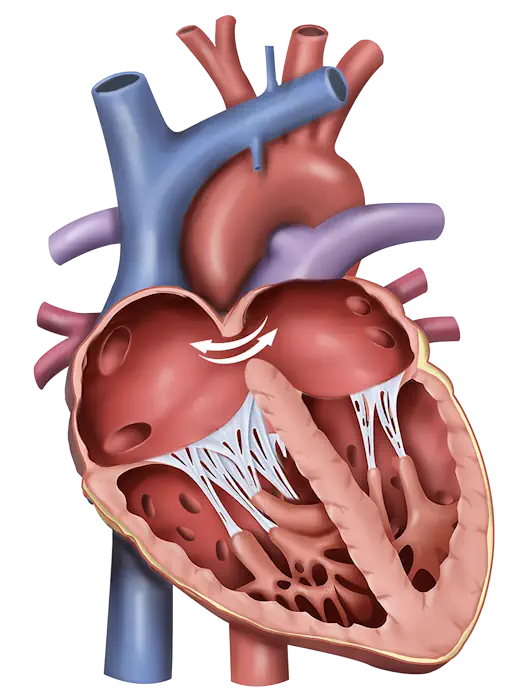
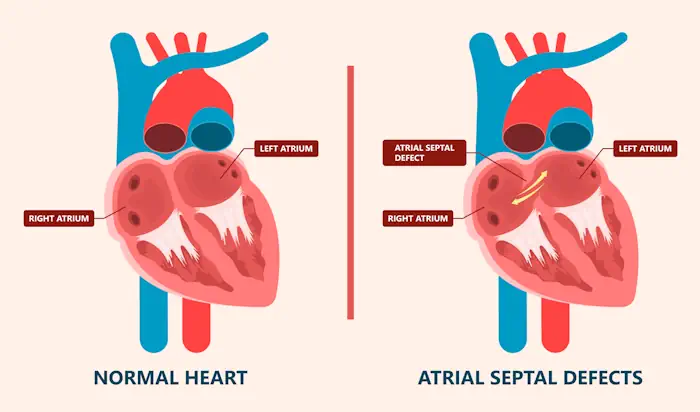
Atrial Septal Defect (ASD) is a congenital heart condition where there is an abnormal opening between the upper chambers of the heart, the atria. This opening allows oxygen-rich blood from the left atrium to flow into the right atrium, instead of flowing into the left ventricle and out to the body as it normally should. Over time, this can cause an increase in blood flow to the lungs and potentially lead to other complications if not treated.
SYMPTOMS
The symptoms of ASD can vary depending on the size of the defect. Common signs include:
CAUSES &
RISK FACTORS
ASD is primarily a congenital condition, meaning it occurs during fetal development. Factors that may increase the risk of ASD include:
DIAGNOSING ASD
Diagnosing ASD often involves a combination of clinical evaluation and diagnostic tests:
SURGICAL TREATMENT OPTIONS
At Theo Kofidis Cardiac Surgery, we specialise in advanced surgical treatments for ASD, offering Minimally Invasive ASD Closure Surgery and Open Heart ASD Closure Surgery.
(Adj) Professor Theo Kofidis tailors these procedures to address the specific needs of each patient, focusing on achieving optimal outcomes and providing comprehensive care.
MINIMALLY INVASIVE
ASD CLOSURE SURGERY
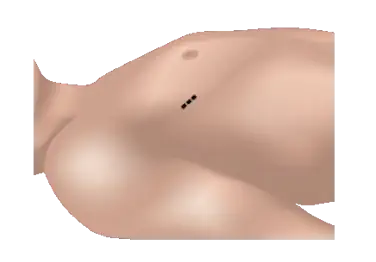
Utilising small incisions and catheter-based techniques, this approach minimises recovery time and reduces the risk of complications.
OPEN HEART
ASD CLOSURE SURGERY
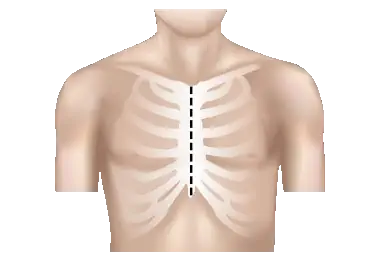
This method is only employed for complex or high-risk ASDs that may not be manageable with less invasive methods, but is rarely necessary.