UNDERSTANDING
AORTIC VALVE DISEASE
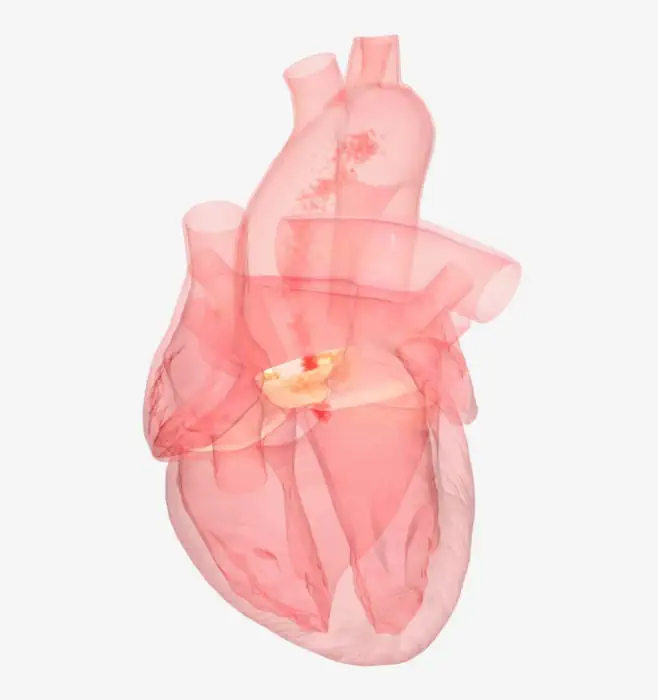
Aortic Valve Disease affects the valve that regulates blood flow from the heart’s left ventricle to the aorta. This condition can involve valve narrowing (stenosis) or leakage (regurgitation), leading to symptoms such as chest pain, shortness of breath, and fatigue.
SYMPTOMS
Symptoms of Aortic Valve Disease may include:
CAUSES &
RISK FACTORS
Aortic Valve Disease may develop due to several factors:

DIAGNOSING
AORTIC VALVE DISEASE
Accurate diagnosis of Aortic Valve Disease is crucial for determining the severity of the condition and guiding appropriate treatment. Our diagnostic approach includes:
- Echocardiogram to assess the size and function of the aortic valve, as well as detect any abnormalities such as narrowing (stenosis) or leakage (regurgitation).
- Electrocardiogram (ECG) to record the electrical activity of the heart.
- Cardiac Catheterisation for precise assessment of blood flow, pressures within the heart chambers, and the severity of valve disease.
SURGICAL TREATMENT OPTIONS
At Theo Kofidis Cardiac Surgery, we specialise in advanced surgical treatments for Aortic Valve Disease, including Minimally Invasive Aortic Valve Surgery and Open Heart Aortic Valve Surgery.
(Adj) Professor Theo Kofidis tailors these procedures to address the specific needs of each patient, focusing on achieving optimal outcomes and providing comprehensive care.
MINIMALLY INVASIVE
AORTIC VALVE
SURGERY
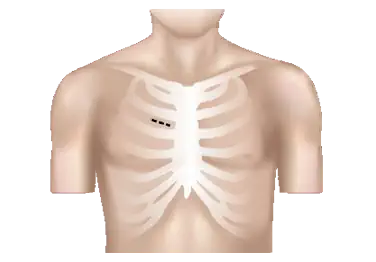
This procedure involves smaller incisions and advanced imaging technologies. By minimising the size of the incision, we reduce trauma to the chest wall and surrounding tissues. This approach often results in faster recovery times, shorter hospital stays, and fewer complications compared to open heart surgery.
OPEN HEART
AORTIC VALVE
SURGERY
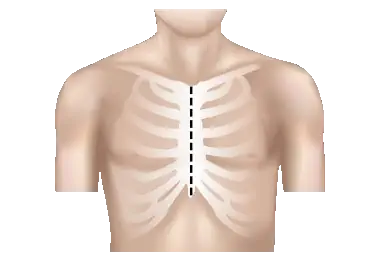
This surgery involves creating a larger incision in the chast to directly access the heart, allowing for the correction of valve abnormalities, ensuring restored blood flow to the heart and optimal cardiac function. It is better suited for complex and high-risk cases that preclude minimally invasive options.