
UNDERSTANDING
MITRAL VALVE DISEASE
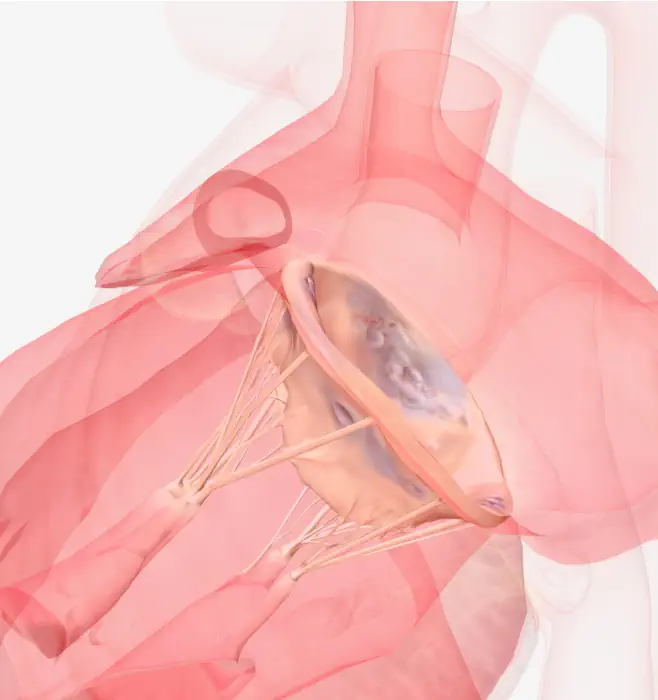
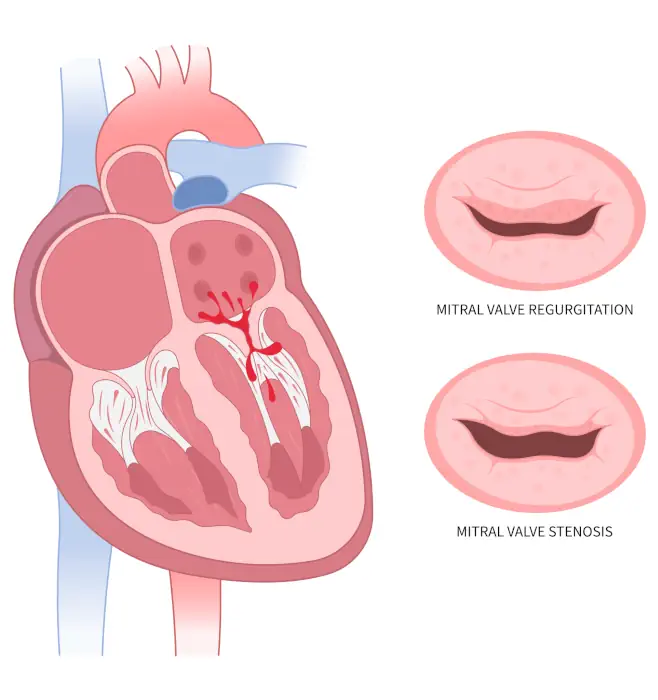
Mitral Valve Disease occurs when the mitral valve in your heart, which regulates blood flow between the left atrium and left ventricle, is not functioning properly. This can lead to either stenosis (narrowing of the valve) or regurgitation (leakage of the valve).
SYMPTOMS
Symptoms of mitral valve disease may include:
- Shortness of breath, especially with activity or when lying flat
- Fatigue and weakness
- Chest pain or discomfort, often during physical exertion
- Irregular heartbeats
CAUSES &
RISK FACTORS
Η ανεπάρκεια της μιτροειδούς βαλβίδας προκαλείται συχνά από:
DIAGNOSING
MITRAL VALVE DISEASE
Diagnosing mitral valve disease involves a comprehensive evaluation to assess the severity of the condition and determine the best treatment approach. Key diagnostic methods include:
- Echocardiography to evaluate the size and function of the mitral valve, identifying issues such as stenosis (narrowing) or regurgitation (leakage).
- Electrocardiogram (ECG) to monitor the heart’s electrical activity to detect irregularities that may be associated with mitral valve disease.
- Cardiac Catheterisation to provide detailed information on blood flow, heart chamber pressures, and the extent of mitral valve dysfunction.
SURGICAL TREATMENT OPTIONS
At Theo Kofidis Cardiac Surgery, we specialise in advanced surgical treatments for Mitral Valve Disease, offering Minimally Invasive Mitral Valve Surgery and Open Heart Mitral Valve Surgery.
(Adj) Professor Theo Kofidis tailors these procedures to address the specific needs of each patient, focusing on achieving optimal outcomes and providing comprehensive care.
MINIMALLY INVASIVE
MITRAL VALVE
SURGERY
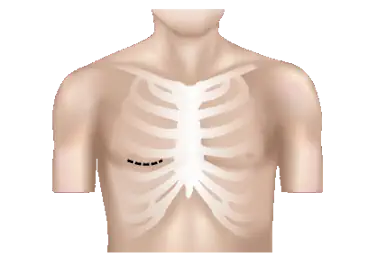
Using small incisions and specialised instruments, this approach reduces trauma, speeds up recovery, and minimises complications compared to open heart surgery.
OPEN HEART
MITRAL VALVE
SURGERY
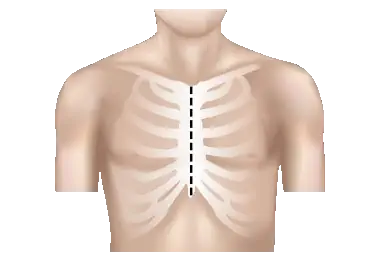
This procedure involves a larger chest incision to access the heart, providing treatment particularly suitable for complex cases that preclude minimally invasive options.