
UNDERSTANDING
ARRHYTHMIA
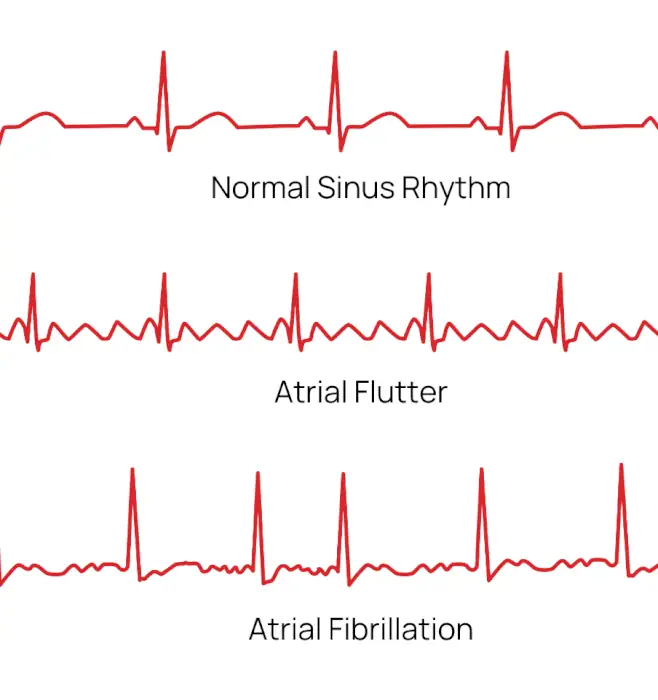
Arrhythmia refers to irregular heart rhythms that can affect how your heart beats. This disruption can cause the heart to beat too quickly (tachycardia), too slowly (bradycardia), or irregularly. These irregularities may stem from problems with the heart’s electrical system, affecting its ability to pump blood effectively.
SYMPTOMS
Arrhythmias can manifest in various forms, each with its own set of symptoms:
-
- Rapid, irregular heartbeat.
- Fluttering or palpitations in the chest.
- Fatigue, weakness, or shortness of breath.
-
- Slow heartbeat, typically fewer than 60 beats per minute.
- Dizziness, fainting, or shortness of breath.
-
- Rapid heartbeat, often more than 100 beats per minute.
- Palpitations, chest discomfort, or shortness of breath.
CAUSES &
RISK FACTORS
Several factors contribute to the development of arrhythmias:
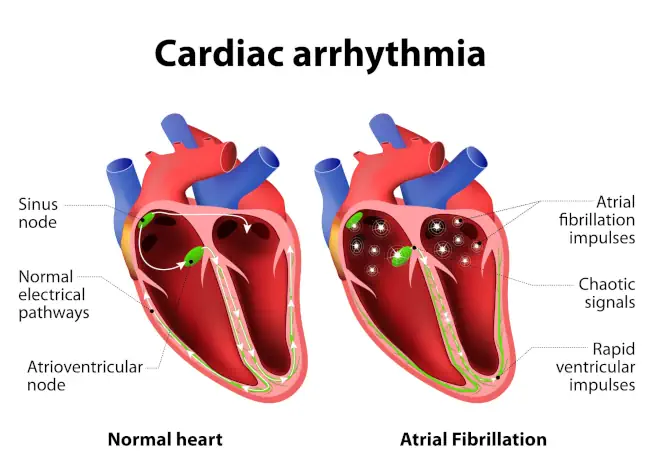
DIAGNOSING ARRHYTHMIAS
Diagnosing arrhythmias involves comprehensive evaluation:
- Electrocardiogram (ECG) to measure the heart’s electrical activity
- Holter Monitor to record heart rhythms over a period of 24-48 hours
- Event Monitor to monitor heart rhythms for a longer duration, often weeks
- Electrophysiology Study (EPS) to map the heart’s electrical signals to locate arrhythmia sources
SURGICAL TREATMENT OPTIONS
At Theo Kofidis Cardiac Surgery, we specialise in advanced surgical treatments for Arrhythmia, offering Minimally Invasive Arrhythmia Surgery and Open Heart Arrhythmia Surgery.
(Adj) Professor Theo Kofidis tailors these procedures to address the specific needs of each patient, focusing on achieving optimal outcomes and providing comprehensive care.
MINIMALLY INVASIVE
ARRHYTHMIA SURGERY
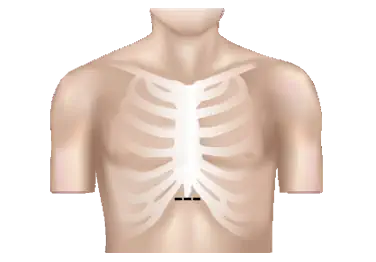
This approach utilises small incisions and advanced imaging technologies. This method offers benefits such as reduced trauma, faster recovery times and treatment with minimal tissue damage.
OPEN HEART
ARRHYTHMIA SURGERY
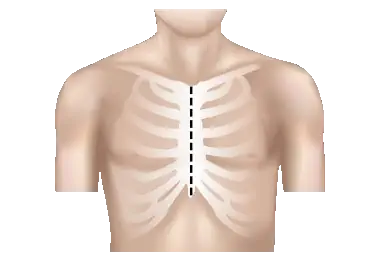
This procedure involves a larger chest incision to access and treat the heart’s electrical pathways. This method is typically employed for patients with arrhythmias that cannot be effectively addressed through minimally invasive methods.